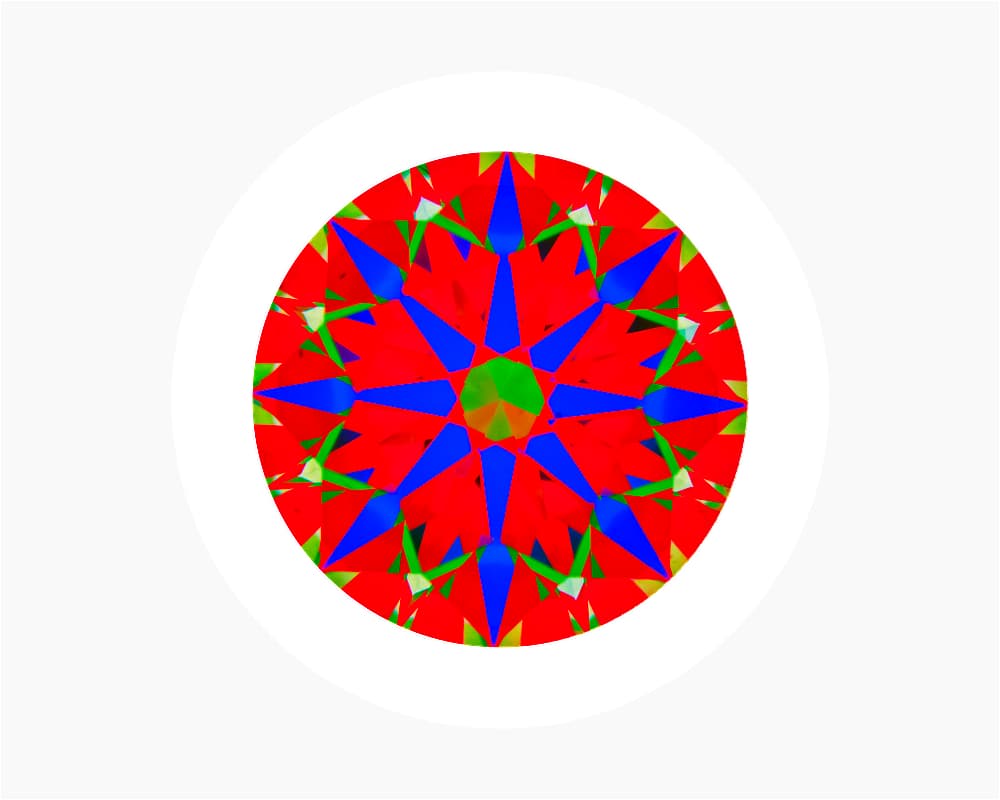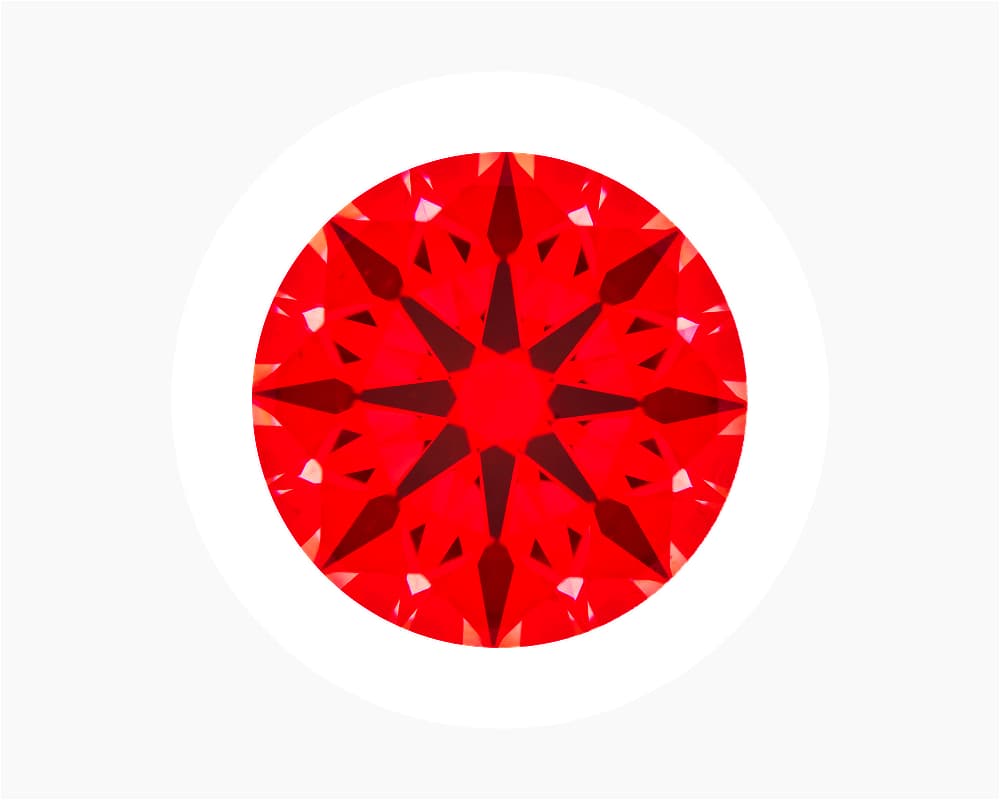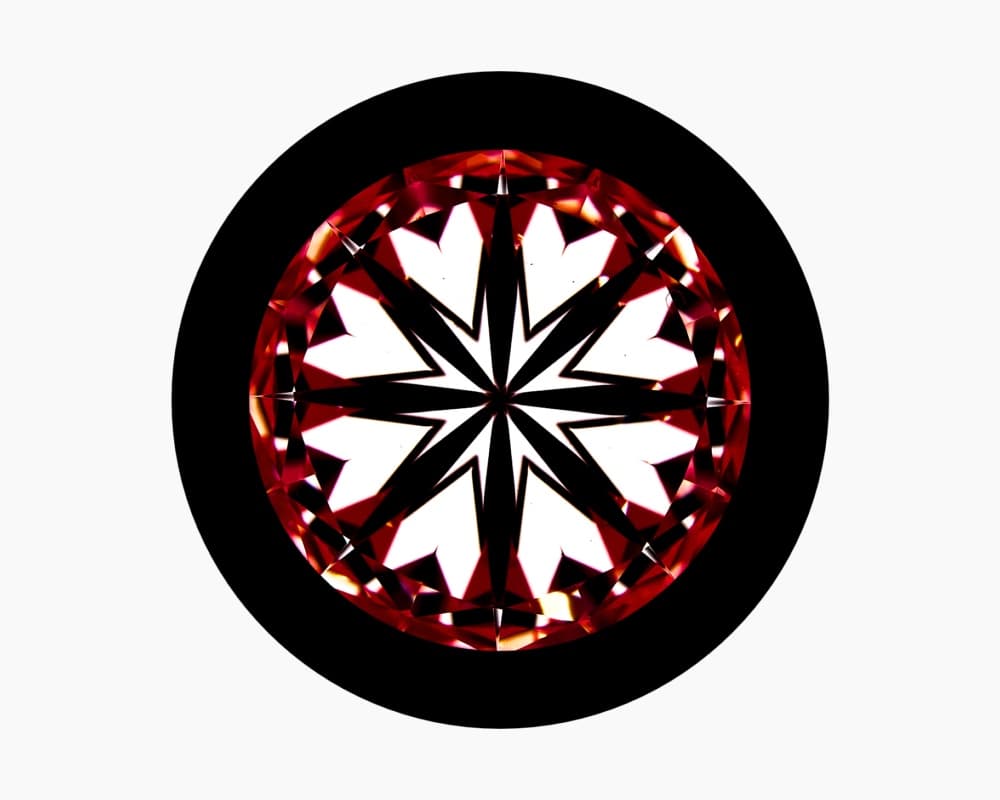
Frame 1 of 60
ASET
Idealscope
Hearts
Frame 1 of 60The Stone
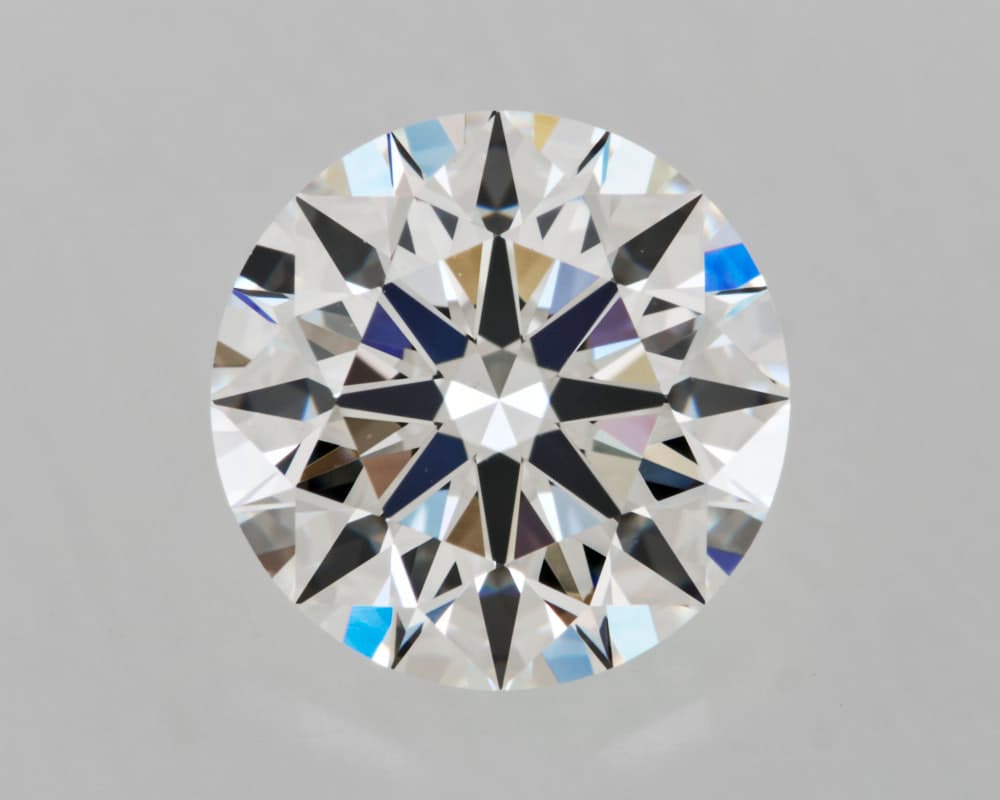
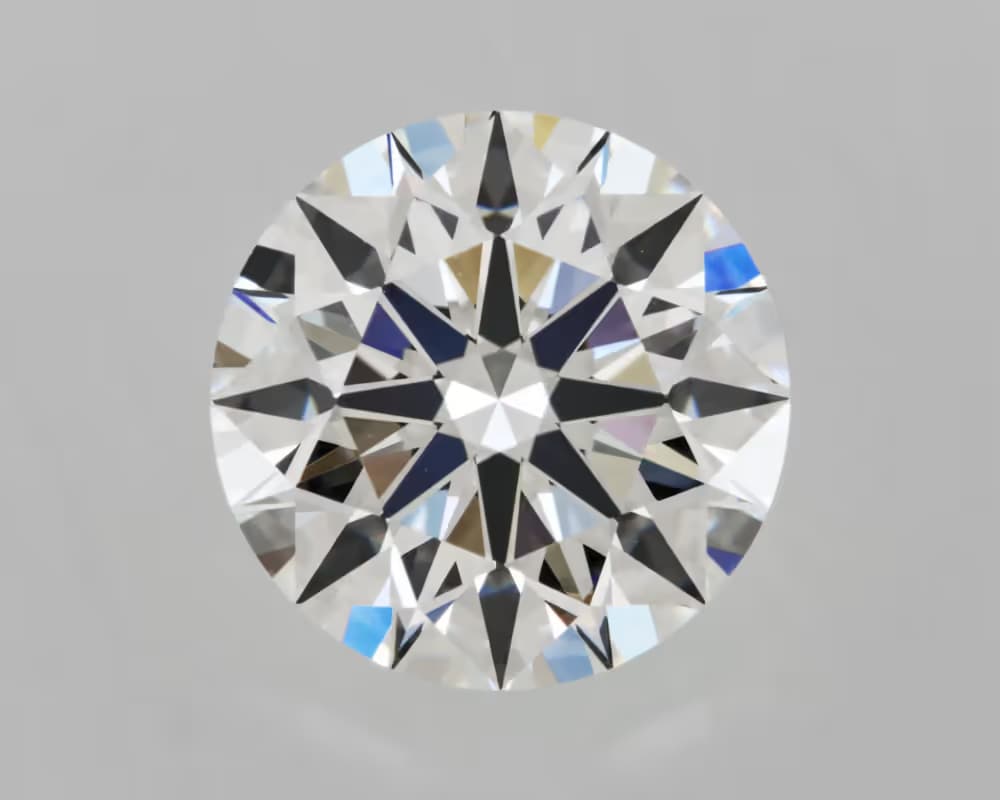
A natural diamond, hearts-and-arrows round brilliant weighing 1.73 carats with quiet presence. Carrying the warmth of a near-colorless stone, eye-clean across the face. Cut to ideal proportions for maximum brilliance. Light performance is graded Ideal.
Diamond Specifications
Measurements A diamond’s measurements describe its physical dimensions in millimeters, expressed as length × width × depth. These dimensions help indicate the diamond’s overall size, proportions, and face-up appearance, providing a more complete picture of its visual presence than carat weight alone | Measurements | 7.69 × 7.72 × 4.76 mm |
|---|---|---|
Cut grade Cut measures how well a diamond reflects light back to the viewer, maximizing three optical effects: brilliance (white-light return), dispersion or fire (light split into spectral colors), and scintillation (the flashes and contrast seen as the stone moves). A well-proportioned diamond appears bright and alive; a poorly cut one looks dull and lifeless. | Cut grade | Ideal |
Fluorescence Fluorescence is the visible glow — usually blue — a diamond emits under UV light such as sunlight; it isn't visible in normal lighting and is graded None through Very Strong. For most diamonds it has no noticeable effect, and in lower color grades (around H–I and below) a faint blue can actually make a stone look whiter. Very strong fluorescence occasionally causes a hazy look. | Fluorescence | None |
L/W ratio A diamond’s length-to-width ratio describes the relationship between its length and width, determining how elongated or compact it appears. 1.00 is square, higher numbers are progressively more elongated. The ratio is a preference but it is especially important for fancy-shaped diamonds, such as ovals, cushions, emerald cuts, and radiants, where it can make a diamond look more or less elongated so most shapes have a preferred range. | L/W ratio | 1.00 |
Polish Polish grades the smoothness of a diamond's finished surface — how cleanly each facet was polished, free of microscopic marks like scratches, pits, or polish lines seen under magnification. It runs from Excellent to Poor; higher polish lets light pass through the surface cleanly for maximum brilliance. | Polish | Excellent |
Symmetry Symmetry grades the precision of a diamond's physical facets — how evenly its facets are shaped, aligned, and meet: even meet-points, a centered table, and matched opposing facets. It runs from Excellent down to Poor; higher symmetry is a mark of careful craftsmanship and helps the diamond return light evenly. | Symmetry | Excellent |
Light performance Light performance describes how effectively a diamond captures, reflects, and returns light to the viewer. Where cut grade rates the proportions, light performance rates the brightness of a diamond. A well-cut diamond maximizes light return while minimizing leakage and obstruction producing a bright, lively appearance with strong contrast and sparkle. | Light performance | Ideal |
Total depth % Depth % is the diamond's height (table to culet) divided by its average width. It's a core cut proportion: too shallow and light leaks out the bottom, too deep and it escapes the sides — either way the diamond looks less brilliant. Ideal ranges depend on the shape. | Total depth % | 61.8% |
Table % The table is the large flat facet on top of the diamond; table % is its width relative to the diamond's diameter. Together with depth it governs how light enters and returns — a well-balanced table trades off brilliance and fire. Ideal ranges depend on the shape. | Table % | 57% |